
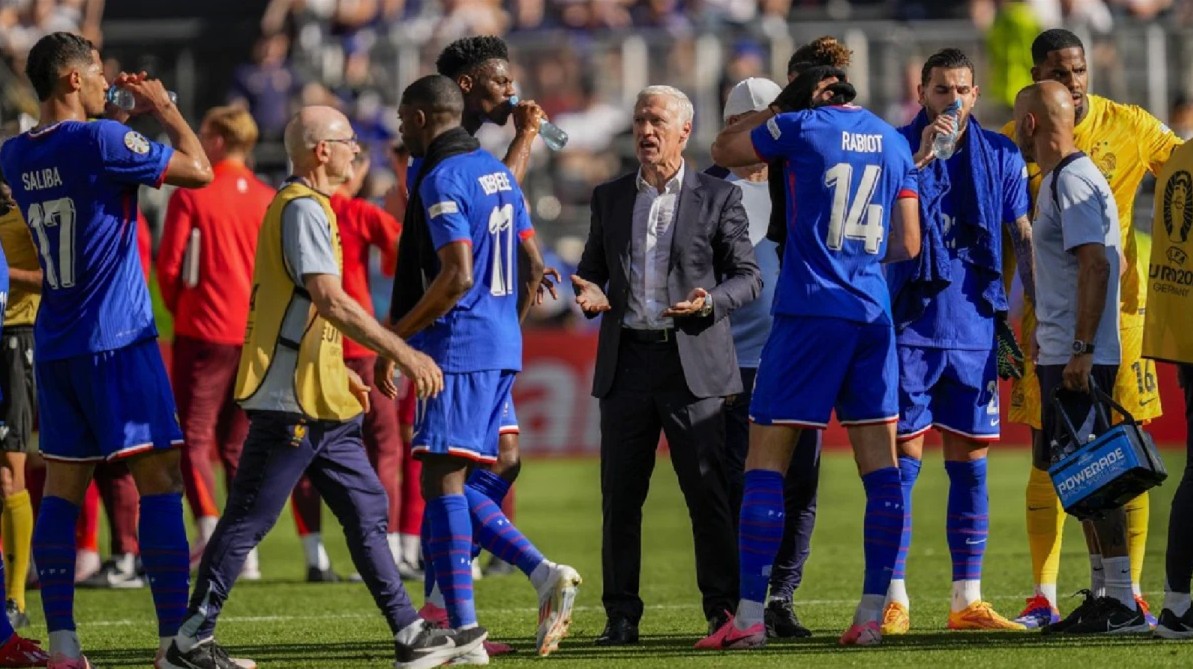
In today’s top international tournaments, the story of a match is rarely just about the eleven players on the pitch. When you watch full games live, you can feel how strongly a coach’s ideas shape everything from pressing height to substitution timing, turning managers into visible protagonists whose decisions are as decisive as any star forward’s finish.
Why Tournaments Push Coaches to the Forefront
Short tournaments compress preparation time and magnify every choice, so each coach’s game model and risk tolerance show up very quickly. With only a handful of matches to navigate the group and knockouts, there is little room for slow evolution; managers must impose a clear structure and make hard calls on selection and style from the very first kick-off.
Live viewing lets you see how these choices hold up under the unique pressure of tournament ดูบอลสดออนไลน์ goaldaddy. A coach who insists on a high line despite early scares, or one who shifts to a back three after a poor opening game, is effectively rewriting the story of the team in real time. That visibility is what turns them into central characters for anyone following the entire competition.
Watching Live to Understand the Coach’s Hand
The clearest way to see a coach’s influence is to focus on how a team behaves without the ball and how it reacts immediately after losing it. During ดูบอลสด, you can track whether presses are coordinated or broken, whether the block moves as a unit, and how quickly the side regains its default shape after transitions. These behaviours are rarely improvised; they are drilled patterns chosen by the coaching staff. When you notice that a team consistently funnels opponents into one side before trapping them, or always keeps a spare defender to protect against counters, you are effectively reading the manager’s priorities. Over several matches, those patterns become a signature, making it easier to anticipate how the team will approach tougher opponents later in the tournament.
A Simple Live-Viewing Sequence to Track Coaching Impact
Because so much of a manager’s work shows up in recurring decisions, it helps to follow a fixed sequence whenever you watch. This moves your focus from single moments to broader choices that only a coach can make and sustain across ninety minutes.
A practical sequence might be:
- Opening phase: Note base shape, pressing height, and where the coach stands on the risk spectrum—aggressive front foot or cautious mid/low block.
- First sign of trouble: Watch whether the response is a structural tweak (full-back deeper, midfielder dropping) or simply urging players to “do the same, but better”.
- Before and after half-time: Compare the team’s spacing and pressing intensity; systematic changes usually reflect clear half-time instructions.
- Substitutions: Look not only at who comes on, but where they stand and how the team’s shape shifts—extra defender, second striker, fresh runner in midfield.
- Final minutes: See if game management aligns with the match state—do they protect a lead intelligently or leave obvious spaces that invite late chaos?
By running this sequence, you finish each match with a concrete sense of what the coach actually did. Over a full tournament, you can then judge whether their interventions tend to improve control or simply react too late to emerging problems.
Comparing Different Coaching Profiles as Seen From the Touchline
Not all managers shape matches in the same way, and those differences become clear when you focus on how they respond to pressure rather than on pre-match reputation.
| Coaching Profile | Live Pitch Behaviour You Notice | Typical Impact on How Matches Feel Live |
| System-first strategist | Stable shape, clear patterns, small but deliberate tweaks | Games feel controlled, even when score is tight |
| Emotion-driven motivator | Big intensity swings, few structural changes | Matches swing with momentum and crowd energy |
| Pragmatic adjuster | Frequent shape shifts tied to match state | Games can look different in each half |
| Conservative protector | Early focus on solidity, late attacking changes | Matches may start cagey, open only after hour mark |
Watching several games from the same coach in a tournament lets you see which profile fits. That, in turn, helps you anticipate how they will approach knockout ties: whether they are likely to double down on what worked in the group or reveal a new, more cautious or aggressive plan.
How Broadcast Shots of the Technical Area Add Tactical Clues
Camera cuts to the touchline are not just colour for the narrative; they often align with structural shifts. A coach calling a player over during a stoppage, repeatedly gesturing toward a specific space, or reshaping a back line with their hands usually signals an adjustment that will be visible in the next few phases.
If you pair these shots with your own reading of the pitch, you can often predict changes a few seconds before they fully appear. For example, repeated instructions to a full-back followed by that player tucking inside on the next build-up show a move toward an extra midfield presence. Over a tournament, recognising these “coaching tells” helps you spot when matches are about to change character, even before commentators spell it out.
When Coaches Become the Story—for Better and for Worse
In some tournaments, a manager’s plan fits the squad so well that their name becomes shorthand for a style: compact counter-attacks, high-pressing chaos, or meticulous positional play. In others, stubborn adherence to an idea that does not suit the players turns them into a lightning rod for criticism.
Live viewers feel these arcs most strongly. You see the early signs—mis-cast players, shapes that break easily, substitutions that unbalance the side—long before final results make headlines. Likewise, you can spot bold, successful gambles, such as trusting a young player in a key role or switching systems mid-tournament, as they happen rather than in tidy summaries afterward.
What to Watch in Future Matches Once You Recognise Coaching Patterns
Once a coach has emerged as a key figure in a tournament, every subsequent match becomes a test of consistency and adaptability. The main questions for live viewers shift from “What will the team do?” to “How will the manager adjust now that opponents know their plan?”
In practice, this means watching for: earlier or later substitutions than before in similar situations; whether the coach repeats a risky structural tweak that worked once; and how they manage players carrying fatigue or knocks in short rest periods. Each decision adds another layer to your understanding of their approach, making the entire narrative of the tournament richer than a simple sequence of player-centred highlights.
Summary
Modern tournaments have pushed coaches into the spotlight alongside players by making their structural ideas and in-game decisions impossible to ignore over a handful of high-stakes matches. For viewers who follow full games live, tracking shapes, adjustments, and substitutions turns managers into fully visible protagonists whose choices shape everything from xG trends to late drama. Once you start reading matches with the coach in mind, every knockout tie feels less like a coin flip and more like a clash of philosophies unfolding minute by minute.