
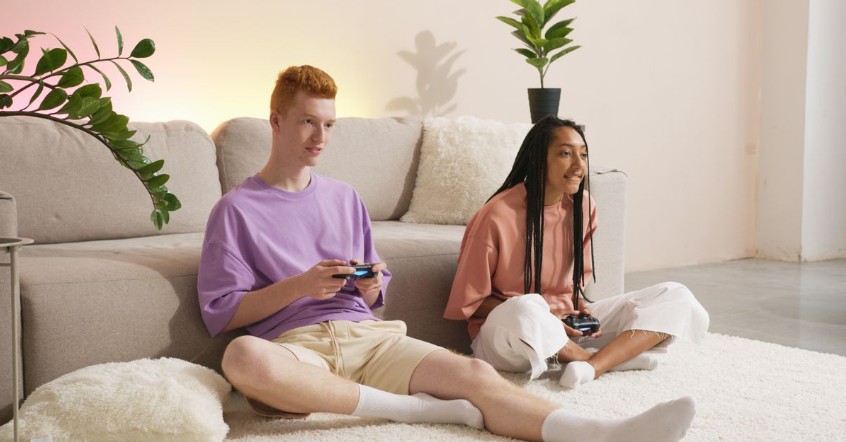
Have you noticed how playing online can feel less like sitting alone with a screen and more like spending time with people you actually know?
Online gaming became a new kind of digital social life because it gave people shared goals, live conversation, and a reason to meet again. The screen stopped being a barrier and became a place where friendships could form through teamwork, jokes, competition, and routine.
The shift did not happen overnight. Faster internet, better voice tools, safer account systems, and wider access to phones, computers, and consoles all helped turn online play into a daily social habit for many people.
Shared Play Turned Screens Into Meeting Places
Online games gave people a reason to gather without needing the same physical location.
A Match Can Become a Hangout
Many players log in because friends are already there. A short match can turn into an hour of talking, laughing, planning, and catching up, which makes the game function like a casual meeting spot.
Shared play also gives people an easy way to spend time together without needing to plan a formal call. The activity provides structure, so conversation can flow naturally around goals, mistakes, wins, and funny moments.
Team Goals Create Real Social Bonds
Cooperative play builds trust because players depend on each other to complete tasks. Even small actions, like covering a teammate or sharing resources, can create a sense of reliability that carries into future sessions.
Competitive play can also build connection when players respect each other’s skill and effort. Friendly rivalry gives people a reason to return, improve, and measure progress together.
Voice And Text Chat Made Interaction Feel Immediate
Live communication changed online gaming from delayed messaging into real-time social contact.
Conversation Became Part of the Activity
Voice chat made online play feel more personal because tone, humor, and emotion are easier to understand through speech. A quick warning, a laugh after a mistake, or a calm callout during pressure can make the group feel closer.
Text chat still matters because it gives players a flexible way to communicate in quieter settings. Some people prefer typing because it gives them more control over how they take part.
Quick Feedback Builds Group Rhythm
Fast communication helps groups develop shared habits. Players learn who gives directions, who stays calm, who takes risks, and who keeps the mood light.
That rhythm can make a group feel familiar even if the players have never met offline. Regular interaction creates patterns, and patterns make digital spaces feel socially stable.
Gaming Communities Built Their Own Social Language
Online gaming communities often create phrases, jokes, and customs that help members feel connected.
Shared Words Create Belonging
Every gaming group develops its own shorthand. Players use quick phrases for strategy, celebration, warnings, and humor, which helps communication move faster and makes the group feel more connected.
Some communities also borrow terms from different gaming cultures, so a phrase like slot gacor can appear in casual chat as part of the wider vocabulary around chance-based digital play.
Inside Jokes Keep People Coming Back
Inside jokes give a group a shared memory. A mistake in one session can become a running joke for weeks, turning ordinary play into a record of shared experiences.
This kind of social memory helps explain why people return to the same groups. They are not only returning to a game, they are returning to a history they helped create.
Online Gaming Made Friendship More Flexible
Digital play gave friendships more ways to fit around busy schedules and distance.
Distance Became Less of a Barrier
Friends who live in different cities can still spend time together through regular play sessions. The shared activity reduces the awkwardness that can happen when people have not spoken for a while.
Online gaming also helps long-distance friendships stay active because it creates repeat contact. A weekly session can become a social routine that keeps relationships alive.
Different Social Styles Can Fit In
Some players enjoy leading the group, while others prefer supporting quietly. Online gaming allows both styles to matter because success often depends on different roles working together.
This flexibility can make social contact feel less stressful for people who do not always enjoy face-to-face gatherings. They can take part through action, timing, and teamwork instead of constant conversation.
Player Identity Became Part of Digital Social Life
Online gaming gave people new ways to present themselves and be recognized by others.
Names And Avatars Became Social Signals
A player name, avatar, or profile can become familiar to a group over time. These identifiers help people recognize each other quickly and build a sense of continuity across sessions.
Customization also lets players show taste, humor, and personality. Small choices in appearance or style can start conversations and make social interaction feel more personal.
Skill Became a Form of Reputation
Reputation in online gaming often grows from how someone plays and treats others. A helpful, patient, or skilled player can become valued because their behavior improves the group experience.
Reputation also encourages accountability. People who play with the same circles often learn that respectful communication and fair play make future invitations more likely.
Learning Together Keeps Communities Active
Shared learning gives online gaming communities a reason to stay active beyond single matches.
Practice Turns Into Social Support
Players often teach each other strategies, timing, map knowledge, and decision-making. This creates a natural mentor role inside groups, where experienced players help newer ones improve without turning the session into a formal lesson.
Practice areas also reduce pressure, and a demo slot can show how trial modes help players understand rules and patterns before joining higher-stakes play.
Progress Gives Groups a Shared Story
Improvement is easier to notice when people play together often. A player who struggled with a task one week may complete it confidently later, giving the group a reason to celebrate specific growth.
That shared progress turns online gaming into more than passing time. It becomes a social routine built on cooperation, memory, identity, and the simple pleasure of showing up together.