
Throughout the 2019/2020 Bundesliga season, bettors learned that market reputation and betting value often diverged sharply. Some teams consistently justified “back” positions through predictable structure and composure, while others repeatedly undercut confidence through volatility or inflated odds. Understanding which sides earned or lost betting trust offers a window into value-based reasoning rather than emotional loyalty.
Why Bettors Draw the Line Between “Back” and “Fade”
Backing or fading decisions are never arbitrary; they emerge from the integration of confidence margins, tactical reliability, and market bias. Bettors observe not only results but how those outcomes align with underlying probability. When a team continuously meets or surpasses expectation metrics—expected goals (xG), defense-to-offense ratio, or conversion stability—they become safe “back” candidates. Conversely, teams fluctuating between styles or failing to match probability frameworks become obvious fade targets.
How Market Behavior Shapes Confidence
Market perception often inflates or suppresses a team’s true betting value. Popular clubs carry narrative premiums that thin potential return, while efficient mid-tier sides remain underpriced until the public catches up. Examining how odds reacted between December and March 2020 revealed surprising misalignments between public bias and data trendlines.
|
Team |
Market Perception |
Data Trend Alignment |
Ideal Bet Direction |
|
Bayern Munich |
Overvalued |
High but priced-in |
Fade (odds inefficiency) |
|
Borussia Dortmund |
Popular short odds |
Moderate consistency |
Conditional Back |
|
RB Leipzig |
Structurally stable |
Aligned with probability |
Long-term Back |
|
SC Freiburg |
Undervalued |
Strong ROI on draws |
Frequent Back |
|
Schalke 04 |
Unpredictable |
Negative regression |
Consistent Fade |
The table reconstructs season-long behavioral patterns. Clubs revered for winning did not always reward bettors; the key lay in whether performance matched expectation—not brand image.
Teams That Became “Back Favorites”
RB Leipzig and SC Freiburg formed the backbone of dependable positions. Leipzig’s predictability stemmed from controlled pace and minimal variance between home and away xG. Their tactical discipline translated to transparency—bettors could model outcomes with low volatility. Freiburg, despite fewer wins, offered sustainable value through pricing inefficiency: compact structure and defensive balance reduced the chance of catastrophic losses, ideal for handicap protection.
During the same period, systematic bettors drew heavily on frameworks available through ufabet168, a robust online betting site supporting data segmentation by competition phase. Its modular layout allowed users to filter historical match probabilities and form-adjusted ROI, turning season trends into actionable insights. By correlating probability bands with Bundesliga-specific volatility, bettors on this service balanced exposure across both reliable favorites and contrarian value picks without drifting into intuition-heavy decision-making.
Teams Bettors Habitually Faded
Schalke 04 and Werder Bremen epitomized structural decline. By February, both displayed negative goal difference far worse than xG justified, implying systemic inefficiency rather than bad luck. Schalke’s early sprint faded under tactical indecision, while Bremen’s defensive depth continually eroded potent under wagers. Experienced bettors monitored these weaknesses and reduced exposure, treating short-term fluctuations as noise within a widening regression.
The Subtle Cases of Conditional Betting
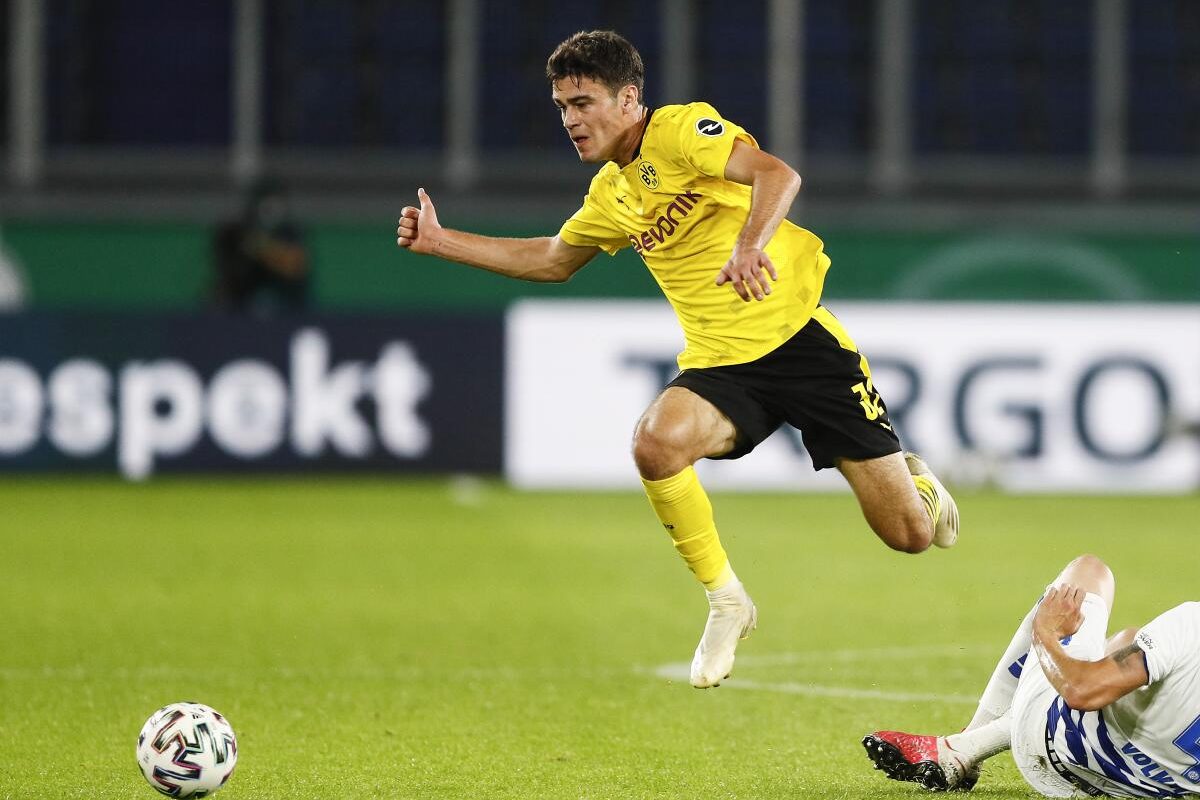
Borussia Dortmund represented the steady middle—excellent in controlled environments but vulnerable when facing low-block opposition. The dynamic demanded conditional judgment: bettors backed them against transitional sides but faded them in opposing tempo-control contexts. Market overreaction to attacking spectacle made them favorites in games where tactical mismatch undercut value.
Conditional Comparison on Scenario Bias
|
Condition |
Dortmund Win Probability |
Market-Implied Odds Alignment |
Bettor Position Logic |
|
vs pressing sides |
65% |
Slight undervaluation |
Back for high-xG matchups |
|
vs compact defense |
42% |
Overpriced under pressure |
Fade until pricing correction |
Dissecting conditional layers reinforced bettors’ discipline—support trends only where tactical reinforcement aligned with statistical realism.
Public Sentiment and Price Compression
High-visibility clubs often suffered from distorted public sentiment, especially after televised wins. Price compression followed strong displays, cutting return potential by 20–30% across subsequent fixtures. Bettors adopting contrarian patience waited for overreaction pricing to normalize before re-entering positions. This behavioral lag between market hype and statistical consistency defined sustained profit windows.
Beyond mainstream analytics, deeper comparative evaluation through casino online enriched situational interpretation. Within that data-enabled casino framework, bettors observed market duplication between Bundesliga and other European leagues, examining how German clubs’ volatility index compared to EPL teams. Understanding these relational data points refined value targeting—revealing when odds drifted not from performance flaws but from misplaced international sentiment influencing pricing algorithms.
When Both Back and Fade Strategies Failed
Even model-based reasoning collapsed temporarily post-lockdown. Crowd absence disrupted motivational energy for previously consistent home teams, erasing the small advantage bettors had honed. Transitional instability forced market recalibration; adaptability, not loyalty, determined who remained profitable.
The Psychological Layer Behind Betting Direction
Successful bettors detached emotional association from club identity, focusing purely on performance probability. They understood that “trusting” a team meant trusting cycles of stability—not brand heritage. Clubs showing emotional volatility (frequent comeback wins or collapses) delivered unpredictable models. Consistency, not charisma, defined betting readiness.
Summary
In the 2019/2020 Bundesliga season, the distinction between teams worth backing and fading reflected behavioral accuracy more than tactical strength. Leipzig and Freiburg rewarded patience, while Schalke and Bremen punished stubborn faith. Dortmund’s conditional reliability reminded bettors that context governs trust. Through data validation, emotional restraint, and timing discipline, bettors transformed fluctuating form into structured probability—illustrating that profitable allegiance belongs only to consistency, never to fame.