
Bundesliga Teams That Rarely Lose the Handicap in Recent Matches
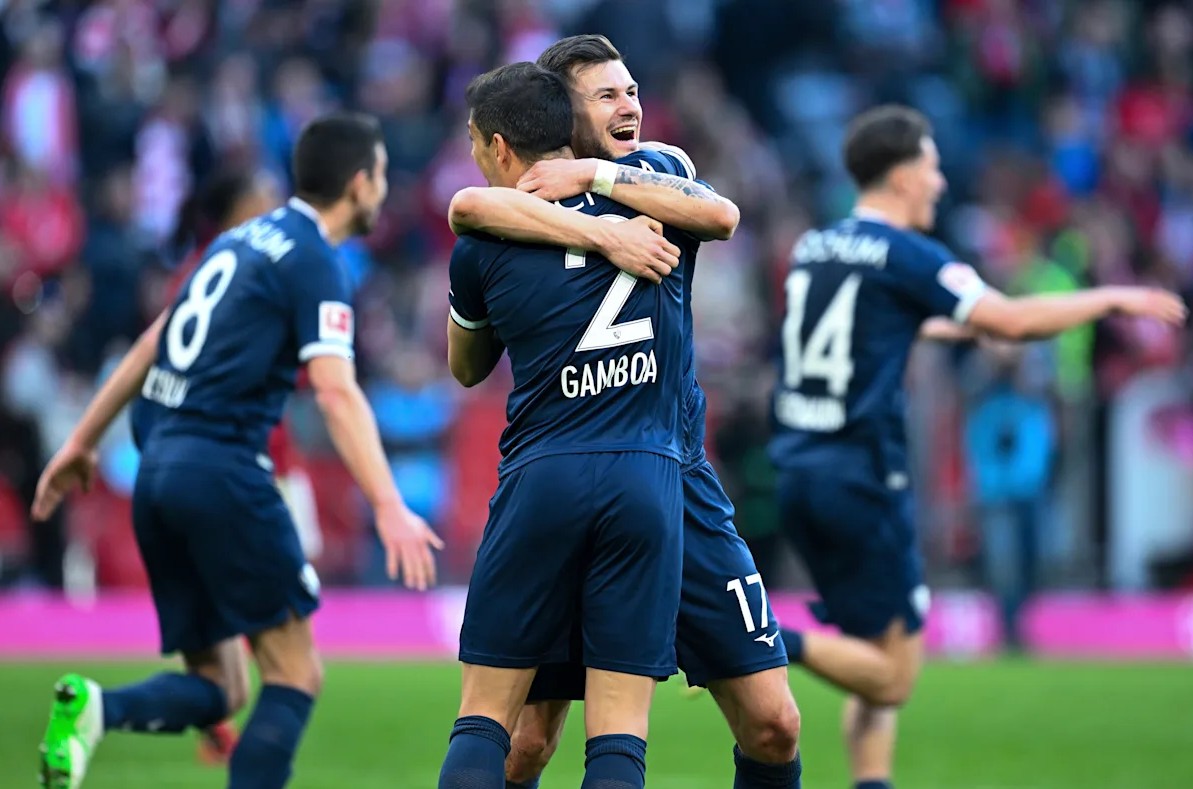
In the Bundesliga, avoiding handicap losses over a sustained period is rarely a coincidence. Teams that consistently beat or push the line tend to do so because match structure, tactical balance, and market expectations align in their favor. Rather than chasing dominant wins, these sides repeatedly perform close to or above pricing assumptions. Understanding why certain Bundesliga teams rarely lose the handicap recently requires examining how performance trends interact with league-specific dynamics.
Why handicap resilience matters more than win streaks
Handicap performance reflects consistency rather than peak results. A team can drop points yet still cover the line if the match stays within expected margins. In the Bundesliga, where tempo is high and transitions are frequent, this consistency often signals structural reliability rather than short-term form.
Teams that rarely lose the handicap usually control variance. They limit extreme outcomes, manage game states effectively, and avoid collapses that turn competitive matches into heavy defeats. This makes handicap resilience a clearer indicator of underlying stability than raw results alone.
Recent performance trends that support handicap strength
Teams maintaining strong handicap records over recent weeks often share identifiable performance trends. These trends show up across different opponents rather than being tied to a single favorable matchup.
- Stable goal difference despite mixed results
- Low frequency of multi-goal defeats
- Competitive away performances
- Ability to score or respond late in matches
When these traits appear together, they suggest that the team’s baseline level is being underestimated or correctly priced but consistently matched. Either way, the result is fewer handicap losses over time.
Tactical profiles that protect teams against the line
Certain tactical approaches reduce handicap risk naturally. Teams that prioritize compact spacing and controlled pressing tend to stay within narrow scorelines, even when facing stronger opposition. This is particularly relevant in the Bundesliga, where open matches can quickly swing margins.
| Tactical Profile | Typical Match Outcome | Handicap Effect |
| Compact mid-block | Narrow win or loss | Push or cover |
| Flexible pressing | Momentum control | Reduced blowouts |
| Transitional balance | Even chance creation | Line stability |
The table highlights that teams do not need to dominate matches to protect the handicap. They need to avoid structural exposure that leads to rapid scoreline inflation.
Squad balance and rotation discipline
Another factor behind recent handicap resilience is squad balance. Teams rotating with clear role continuity avoid performance drops when changes are made. Instead of reshuffling systems, these teams replace profiles with similar functions.
This approach preserves match rhythm. When intensity remains consistent across rotations, the likelihood of sudden underperformance decreases, helping teams remain competitive even during congested schedules.
Depth versus clarity of roles
Before attributing handicap success to squad depth alone, it is important to compare depth with role clarity. Deep squads without defined roles often fluctuate more than lean squads with clear responsibilities. Bundesliga teams that rarely lose the handicap recently tend to favor clarity over experimentation, reducing variance regardless of personnel changes.
Market positioning and realistic expectations
Handicap lines are shaped by perception as much as data. Teams priced conservatively due to reputation or league position often outperform the line when underlying performance improves faster than public expectation. This gap creates a window where teams avoid handicap losses repeatedly without necessarily winning matches.
As the market adjusts, this advantage can shrink, but recent periods often reflect this lag between performance change and pricing correction.
Reading recent handicap behavior during match flow
Handicap resilience is also visible during live matches. Teams that manage game phases intelligently reduce late-match volatility, which is where many handicap losses occur. Indicators include controlled substitutions, disciplined defensive spacing after scoring, and continued counter-pressing rather than full retreat.
During live observation, some bettors consult resources like UFABET to follow match flow details such as pressure phases, timing of goals, and how teams respond after conceding or scoring. Tracking whether a team continues to contest midfield duels or immediately drops deep often explains why the handicap remains intact even when the final result is undecided. This kind of situational awareness adds context beyond pre-match statistics, especially in fast-paced Bundesliga fixtures.
Situations where the pattern weakens
No trend is permanent. Handicap resilience weakens when fixture context changes sharply. Injuries to central defenders, sudden tactical shifts, or matches against extreme pressing sides can break the pattern quickly. Additionally, once the market adjusts, lines become tighter and margin for error disappears.
Recognizing when the underlying conditions change is essential to avoid assuming that recent handicap performance will persist automatically.
Summary
Bundesliga teams that rarely lose the handicap in recent matches do so because tactical structure, role clarity, and controlled match management reduce scoreline volatility. These teams stay close to market expectations even when results fluctuate. If tactical balance breaks or market perception catches up, the pattern weakens, making recent handicap resilience inseparable from context rather than a fixed team trait.