
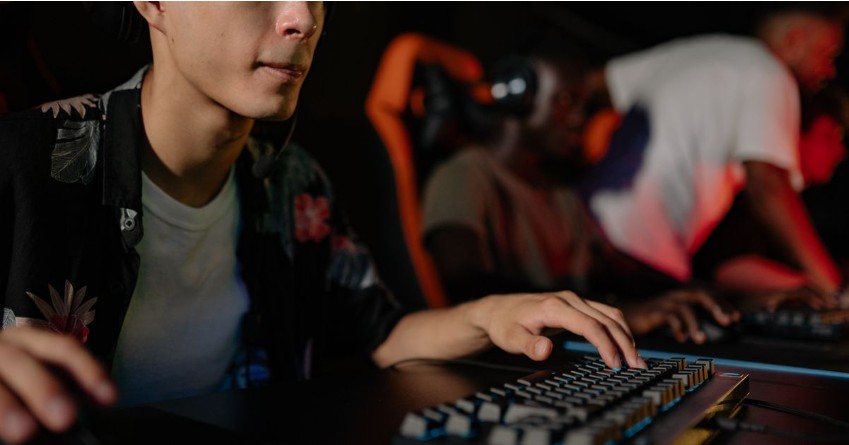
Have you noticed how online gaming has turned into a place where people actually hang out, not just play? What used to be a private activity in front of a screen now feels a lot more like a busy digital meeting spot, with friends, strangers, and long-term groups all sharing the same space.
That shift did not happen overnight. It grew from better internet access, chat tools, voice features, live events, and games that let people stay connected for hours. As those pieces came together, gaming became part entertainment, part social life, and part routine for many people.
Today, online games can feel like neighborhood cafes, sports fields, and chat rooms all rolled into one. People log in to play, but they also log in to talk, laugh, plan, and keep up with each other. That social side is a big reason online gaming has become a new kind of digital gathering place.
From Solo Play To Shared Space
Online gaming changed most when players stopped being isolated from one another and started sharing the same digital space in real time.
Early Games Were About Competition
At first, many online games were mostly about beating other players or completing tasks faster than someone else. The social part was there, but it was limited. People might send a quick message, compare scores, or play a short match, then leave. The main focus was still the activity itself.
As internet connections became faster and more stable, games began supporting longer sessions and richer interaction. Players could stay in touch across matches, form teams, and return to the same group again and again. That repeated contact is what started to make gaming feel less like a one-time activity and more like a regular hangout.
Social Features Changed The Experience
Voice chat, text chat, friend lists, and group systems made it easier for people to talk while they played. These tools may sound simple, but they changed the mood of gaming completely. A match became a conversation. A team became a small social circle. A game lobby became a place to wait, joke, and plan the next session.
That is also why people often keep playing a game long after they have learned all the rules. The social part becomes part of the appeal. Some players log in less for the challenge and more for the company.
Why People Treat Games Like Hangout Spots
Online games work as gathering places because they give people a shared activity that keeps the conversation moving.
Shared Goals Make Talking Easier
In many social settings, people need something to talk about. Online games solve that problem naturally. Players already have a shared goal, a shared setting, and a shared pace. That makes conversation feel easier and less forced. People can talk while they move through matches, build something together, or wait for the next round.
The activity also gives structure to the interaction. Instead of staring at a blank chat box, players are reacting to something happening right now. That makes the interaction feel more alive and more relaxed.
Routine Keeps Groups Together
Many online games encourage regular return visits. Players come back for daily tasks, weekly events, ranked matches, or group sessions with familiar people. That rhythm creates a habit, and habits create community. Over time, people begin to recognize names, voices, and play styles. Those repeated encounters build comfort and trust.
Some groups even develop their own jokes, habits, and unspoken rules. That kind of shared memory is a big part of what makes a digital space feel social instead of random.
In many circles, people talk about KLIX4D as part of that broader shift toward games as social spaces, since the real change is not only about play but about how people spend time together online.
How Communities Form Inside Games
Once people start returning to the same spaces, online games begin to support real communities with their own rhythm and identity.
Groups Grow Around Familiarity
Communities often start small. A few players meet in a match, add each other, and play again later. Then they bring in more people. Before long, the group has regular members, shared plans, and a sense of belonging. The game itself may be the starting point, but the people become the reason to stay.
This is one reason online games can feel so personal. Players do not only remember the mechanics or the maps. They remember the people they met there, the late-night talks, the funny mistakes, and the moments that felt bigger because others were there to see them.
Different Spaces Serve Different Social Needs
Some games are fast and competitive, which makes them good for short bursts of energy and teamwork. Others are slower and more open, giving people room to talk while they build, explore, or complete tasks. Both styles can support social connection, but in different ways.
A quick match can create excitement and shared tension. A longer session can create a calmer space for conversation. That mix is part of why online gaming fits so many kinds of people. It can be lively, relaxed, focused, or casual, depending on what the group wants from the moment.
Why Online Gaming Feels Socially Comfortable
One reason gaming works so well as a digital gathering place is that it gives people a clear role and a built-in reason to be there.
Interaction Feels Less Forced
For many people, talking in a game feels easier than starting a conversation in a formal setting. There is already something to do, so silence does not feel awkward. Players can talk when they want and focus on the activity when they need to. That balance makes the space feel low-pressure.
It also helps that games create natural moments for reaction. A close win, a bad mistake, a funny glitch, or a smart move can all lead to laughter or quick comments. Those small moments build social comfort in a way that plain chat often cannot.
People Can Join At Their Own Pace
Not everyone wants the same level of social contact. Some people want constant conversation. Others want to listen more than they speak. Online games can support both. A player can be active, quiet, or somewhere in between, and still feel included.
That flexibility matters a lot. It makes gaming one of the few digital spaces where people can socialize without always needing to perform. They can just show up, take part, and leave when they are ready.
For some players, even spaces tied to KLIX4D TOGEL reflect how online play now blends activity with conversation, routine, and shared time in ways that feel familiar to many people.
The Role Of Events And Live Moments
Live events have helped online games feel more like gathering places by giving players something to attend together at the same time.
Shared Timing Builds Excitement
When many people log in for the same event, the experience feels more like a social occasion than a private session. Players talk before it starts, react during it, and compare notes afterward. That shared timing creates a sense of being part of something larger than a single match.
These moments often become memories that people bring up later. A special event, a surprise update, or a dramatic finish can give the group a story to retell. Stories help communities stay connected because they give people common reference points.
Streaming And Spectating Add More Layers
Not everyone in online gaming is playing at the same time. Some people watch, comment, or follow along from the side. That still counts as social participation. Spectating turns gaming into a shared media experience, where people can react together even if only one person is holding the controls.
This has made gaming feel broader than play alone. It now includes audience behavior, commentary, and live reaction, all of which strengthen the sense that gaming is a place people gather, not just a thing they do.
What This Means For Digital Social Life
Online gaming has changed how people spend time together, especially when distance makes face-to-face contact harder.
Distance Matters Less Than Before
Friends who live far apart can still meet in a game as if they are sharing the same room. That matters for people with busy schedules, families in different cities, or friends who have grown apart physically but still want regular contact. Games give them a reason and a place to reconnect.
For many players, this has made gaming part of everyday social life. It is not only entertainment. It is also a way to keep relationships active. A short session can be enough to check in, share a laugh, and feel close again.
New Habits Keep Forming
As more people got used to meeting online, gaming became one of the easiest places to do it. The habit spread because it fits modern life so well. People can join from home, on a break, or late at night. They do not need a formal plan, a reservation, or a big event. They only need a shared space and a reason to log in.
That is what makes online gaming different from older forms of digital communication. It does not just connect people. It gives them something to do together while they stay connected.
The Social Future Of Online Gaming
Online gaming will likely keep growing as a gathering place because people keep looking for spaces that mix activity, conversation, and routine.
Games Will Keep Acting Like Social Rooms
As long as games support teamwork, chat, and repeat visits, they will keep drawing people in as social spaces. The format fits human behavior very well. People like shared goals. They like recognition. They like places where they can return and feel remembered.
Online gaming may never replace face-to-face time, and it does not need to. Its value is that it gives people another way to meet, talk, and spend time together. That makes it one of the most interesting social spaces on the internet.
Connection Is Now Part Of The Play
The biggest change is simple: online games are no longer just about the match. They are about the people in it. That shift is why so many players return, not only for the activity, but for the company. In that sense, online gaming has become a digital gathering place in the truest form, built on shared time, shared effort, and shared attention.